
Vehicle Maintenance in 2026: The Complete Guide to Reducing Fleet Downtime and Maintenance Costs
August 11, 2026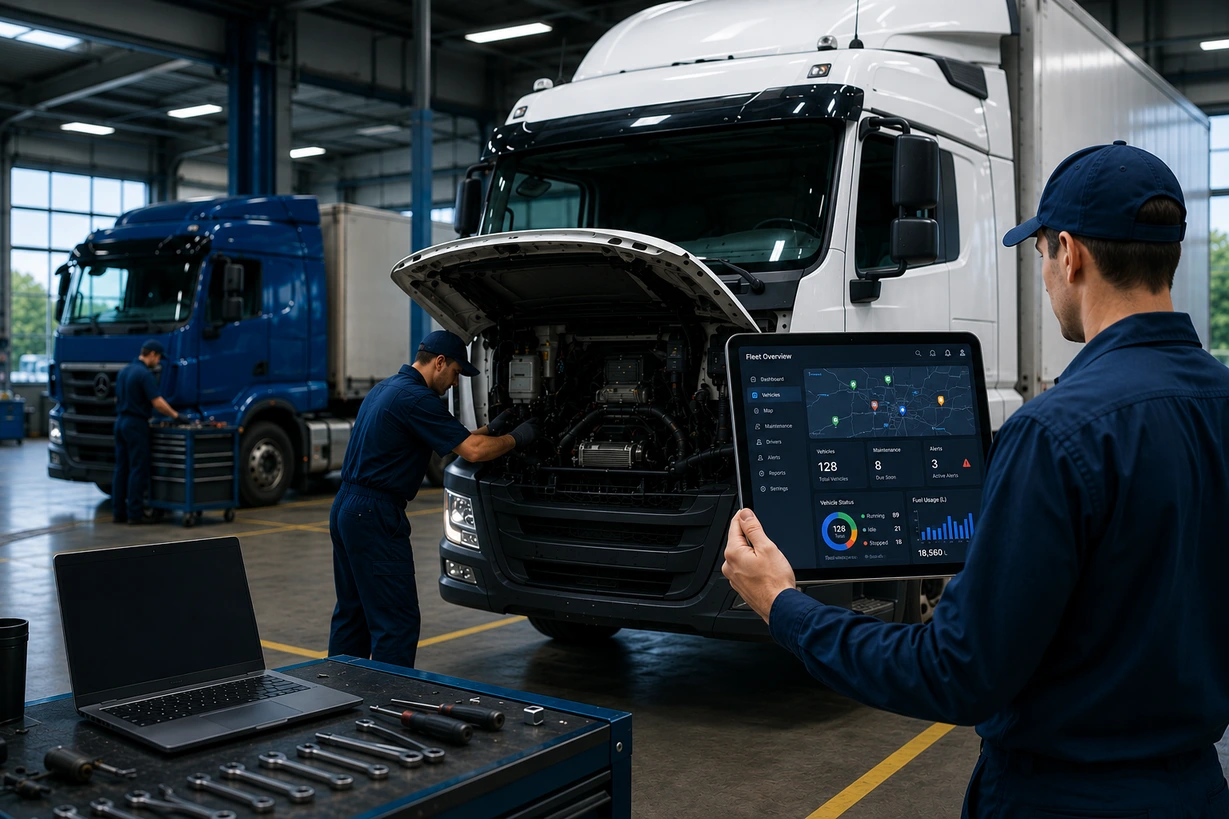
For businesses operating commercial vehicles, maintenance is no longer just about changing engine oil or replacing worn tyres. In 2026, vehicle maintenance has become a strategic business function that directly impacts operational efficiency, fleet safety, customer satisfaction, and profitability.
A single unexpected vehicle breakdown can delay deliveries, disrupt operations, increase repair costs, and damage customer trust. With today’s advancements in Fleet Management Systems (FMS), AI, IoT sensors, and predictive analytics, fleet operators can shift from reactive repairs to proactive maintenance strategies.
This comprehensive vehicle maintenance guide explores modern vehicle maintenance best practices, common challenges, and how technology is transforming fleet maintenance for businesses in Singapore and beyond.
What is Vehicle Maintenance?
Vehicle maintenance refers to the routine inspection, servicing, repair, and monitoring of vehicles to ensure they remain safe, reliable, and efficient throughout their operational life.
For commercial fleets, maintenance includes much more than regular servicing. It encompasses:
• Engine inspections
• Brake system checks
• Tyre condition monitoring
• Battery health
• Fluid replacement
• Suspension inspection
• Cooling system maintenance
• Transmission servicing
• Electrical diagnostics
• Preventive maintenance scheduling
Proper maintenance helps minimise downtime while maximising vehicle lifespan and operational performance.
Why Vehicle Maintenance Matters for Businesses?
Commercial vehicles are revenue-generating assets. Every hour a vehicle spends in the workshop instead of on the road represents lost productivity.
Poor maintenance can result in:
• Unexpected breakdowns
• Costly emergency repairs
• Increased fuel consumption
• Reduced vehicle lifespan
• Safety incidents
• Missed customer deliveries
• Regulatory compliance issues
By implementing a structured maintenance programme, businesses can reduce operational risks and improve overall fleet performance.
Types of Vehicle Maintenance
1. Preventive Maintenance
Preventive maintenance involves servicing vehicles at scheduled intervals before problems occur.
Typical preventive maintenance tasks include:
• Engine oil changes
• Oil filter replacement
• Air filter replacement
• Brake inspections
• Tyre rotation
• Wheel alignment
• Coolant replacement
• Battery testing
• Transmission servicing
• Belt and hose inspections
Preventive maintenance is based on mileage, engine hours, or time intervals.
Benefits
• Reduces unexpected breakdowns
• Extends vehicle lifespan
• Improves fuel efficiency
• Lowers repair costs
• Enhances driver safety
2. Predictive Maintenance
Predictive maintenance uses vehicle telematics, sensors, and diagnostics to detect potential failures before they occur.
Instead of servicing vehicles solely based on mileage, predictive maintenance analyses:
• Engine fault codes
• Battery voltage
• Engine temperature
• Oil pressure
• Fuel efficiency trends
• Vibration data
• Driving behaviour
• Vehicle utilisation
Fleet managers receive alerts when abnormal conditions are detected, allowing maintenance to be scheduled before a failure occurs.
3. Corrective Maintenance
Corrective maintenance involves repairing components after a fault has already occurred.
Examples include:
• Replacing a failed alternator
• Repairing engine damage
• Fixing transmission failures
• Replacing damaged suspension components
While unavoidable at times, excessive corrective maintenance usually indicates poor preventive maintenance planning.
Common Fleet Maintenance Challenges
Many organisations struggle with maintenance because they rely on manual processes or reactive repairs.
Common challenges include:
1. Missed Service Intervals
Without automated reminders, vehicles may exceed recommended service schedules, increasing wear and the risk of breakdowns.
2. Incomplete Maintenance Records
Paper records are difficult to track, making it harder to monitor service history and plan future maintenance.
3. Unexpected Breakdowns
Reactive maintenance often leads to higher repair costs, emergency towing, and unplanned downtime.
4. Rising Maintenance Costs
Poor maintenance practices can increase:
• Labour costs
• Spare parts replacement
• Fuel consumption
• Vehicle downtime
5. Poor Vehicle Visibility
Fleet managers may lack real-time insight into vehicle health, making it difficult to prioritise maintenance.
Essential Vehicle Maintenance Checklist
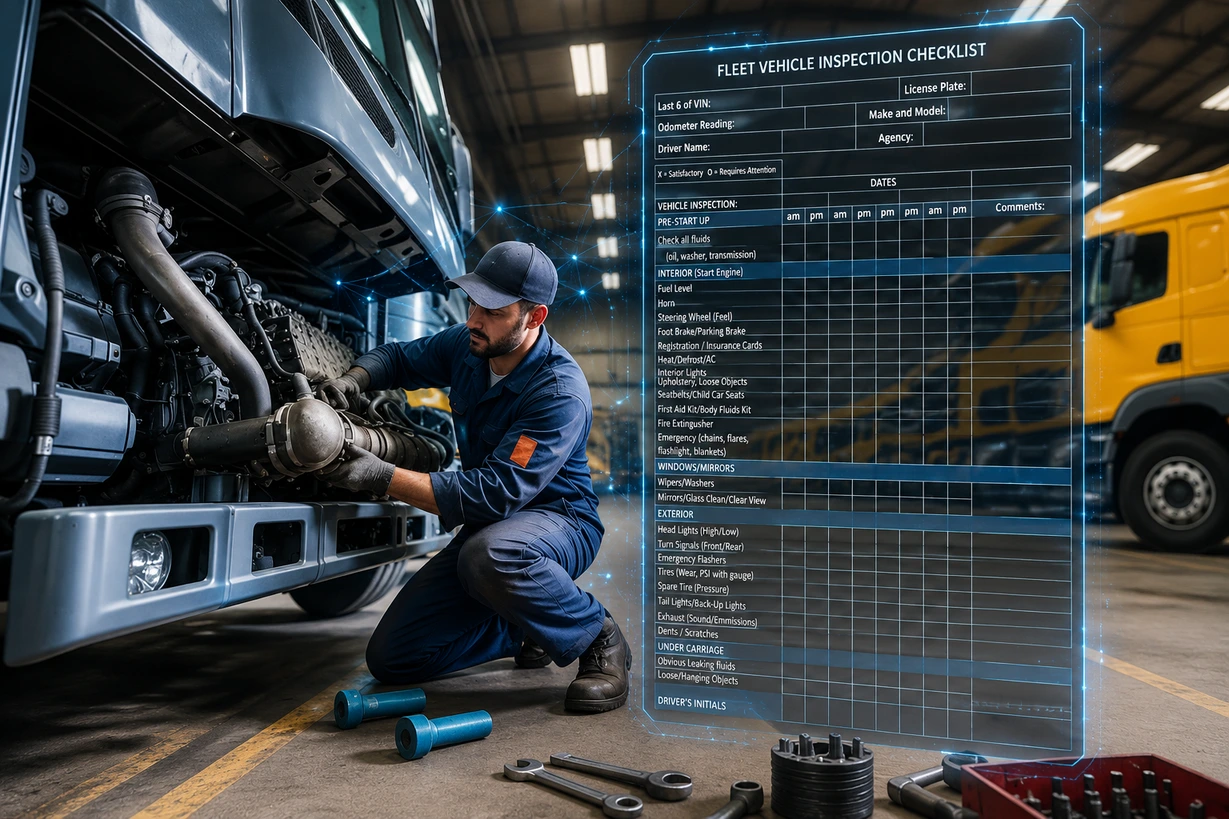
A comprehensive maintenance programme should include regular inspections of:
Engine
• Engine oil level
• Oil quality
• Air filters
• Fuel filters
• Belts
• Hoses
Braking System
• Brake pads
• Brake discs
• Brake fluid
• Brake lines
Tyres
• Tyre pressure
• Tread depth
• Wheel alignment
• Tyre rotation
Electrical System
• Battery health
• Alternator performance
• Starter motor
• Lighting system
Cooling System
• Coolant level
• Radiator condition
• Water pump
• Cooling fan
Transmission
• Transmission fluid
• Gear operation
• Clutch condition (manual vehicles)
Suspension
• Shock absorbers
• Springs
• Steering components
Regular inspections reduce the likelihood of expensive repairs and improve vehicle reliability.
Vehicle Maintenance Guide: How Fleet Management Systems Improve Vehicle Maintenance
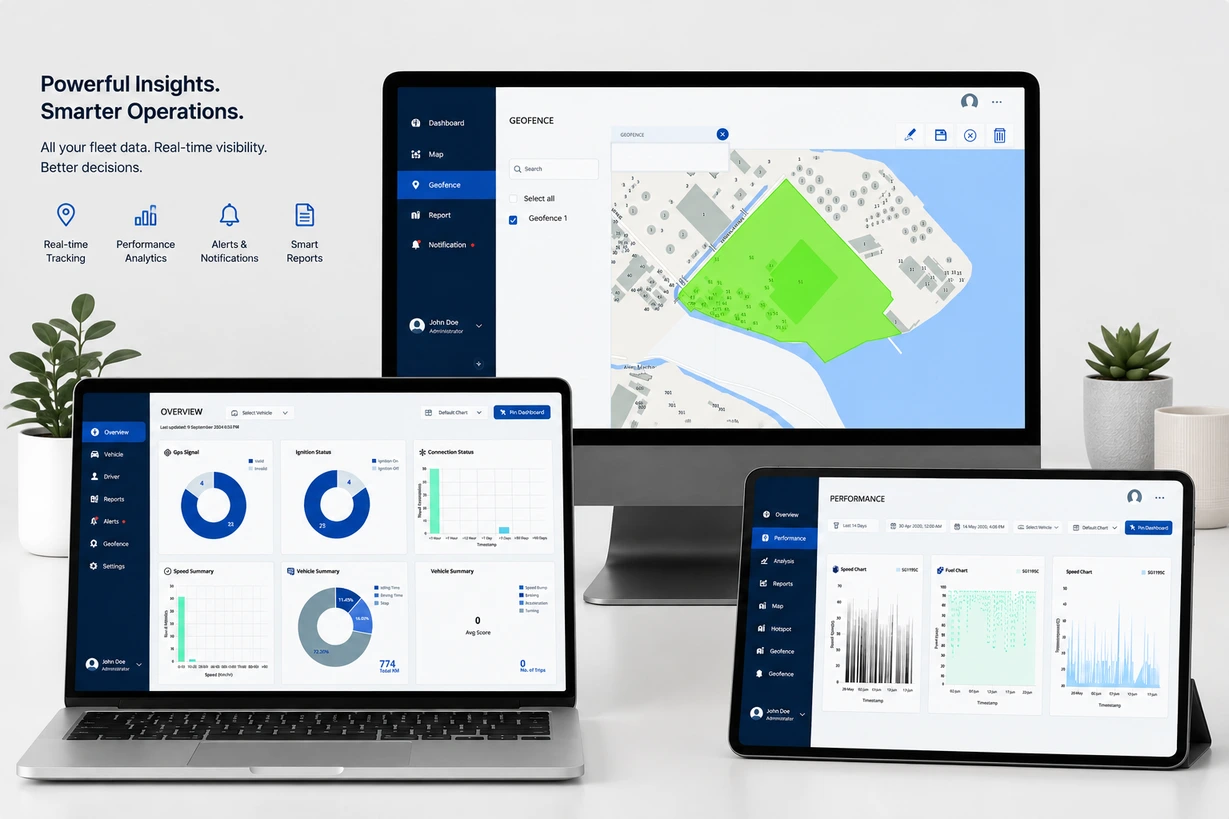
Modern Fleet Management Systems (FMS) automate maintenance planning and provide real-time visibility into fleet health.
Automated Service Reminders
The system automatically notifies managers when vehicles approach:
• Mileage-based servicing
• Engine-hour servicing
• Time-based maintenance
• Warranty expiration
Vehicle Health Monitoring
By integrating with onboard diagnostics (OBD-II or CAN Bus), FMS can monitor:
• Engine faults
• Battery voltage
• Coolant temperature
• Fuel consumption
• Diagnostic Trouble Codes (DTCs)
Digital Maintenance Records
Every service event is recorded digitally, allowing managers to:
• View maintenance history
• Track repair costs
• Schedule future servicing
• Audit maintenance activities
Workshop Management
Fleet managers can coordinate:
• Repair scheduling
• Technician assignments
• Spare parts inventory
• Service completion tracking
The Role of AI in Vehicle Maintenance
Artificial Intelligence is revolutionising fleet maintenance by analysing thousands of vehicle data points in real time.
AI can:
• Predict component failures
• Detect abnormal engine behaviour
• Identify battery deterioration
• Recommend maintenance priorities
• Estimate remaining component lifespan
Instead of relying solely on fixed service intervals, AI enables maintenance based on actual vehicle condition.
Driver Behaviour and Vehicle Wear
Driving habits significantly influence maintenance costs.
Aggressive driving can increase wear on:
• Brakes
• Tyres
• Suspension
• Transmission
• Engine components
Fleet Management Systems monitor behaviours such as:
• Harsh braking
• Rapid acceleration
• Excessive idling
• Speeding
• Sharp cornering
Driver coaching helps reduce unnecessary wear while improving safety and fuel efficiency.
Benefits of Digital Fleet Maintenance
Businesses adopting digital maintenance solutions often experience:
Reduced Downtime
Vehicles spend more time on the road and less time in repair workshops.
Lower Repair Costs
Minor issues are resolved before they become major failures.
Improved Fleet Availability
More vehicles remain operational, improving productivity.
Better Fuel Economy
Well-maintained vehicles consume less fuel and produce lower emissions.
Longer Vehicle Lifespan
Regular servicing delays expensive vehicle replacement.
Improved Regulatory Compliance
Maintenance records are readily available for inspections and audits.
Industries That Benefit from Fleet Maintenance Solutions
Vehicle maintenance software supports organisations across multiple sectors:
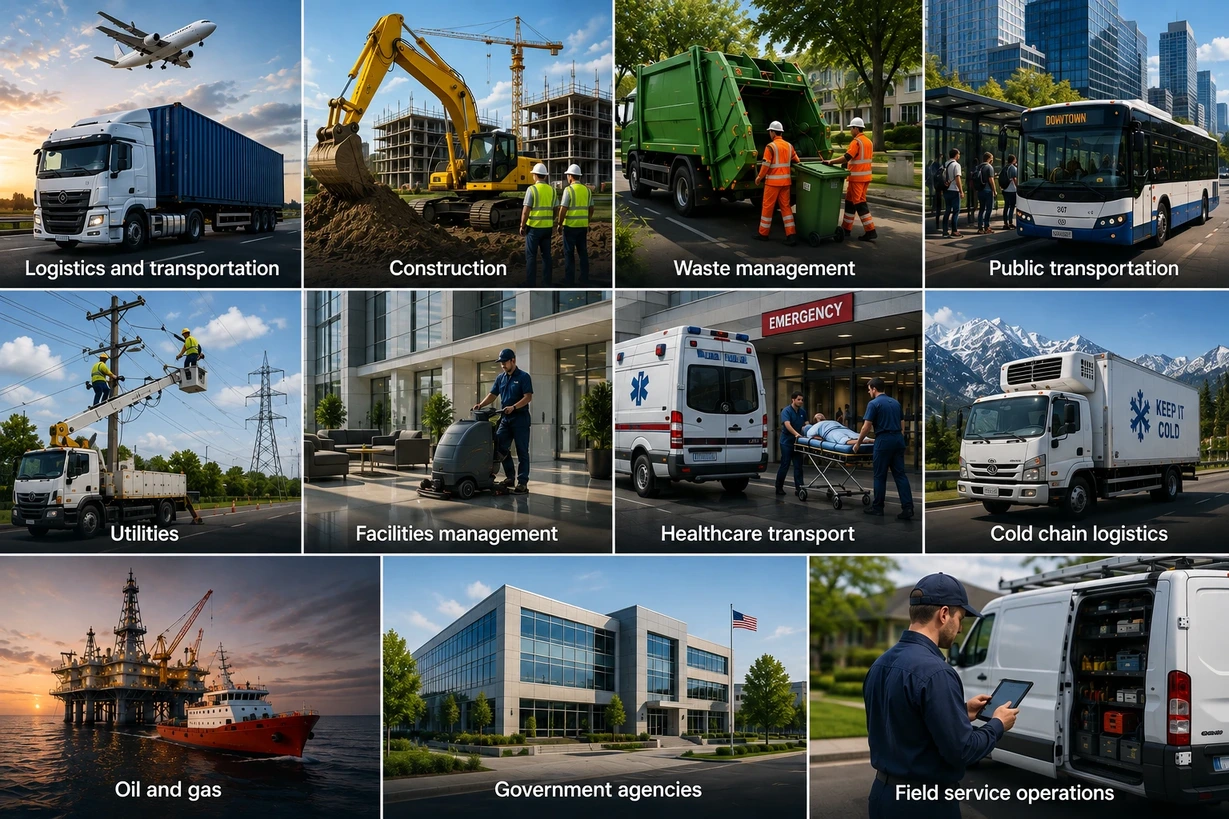
Industries include:
• Logistics and transportation
• Construction
• Waste management
• Public transportation
• Utilities
• Facilities management
• Healthcare transport
• Cold chain logistics
• Oil and gas
• Government agencies
• Field service operations
Choosing the Right Fleet Maintenance Solution
When selecting a maintenance platform, consider the following features:
• Automated maintenance scheduling
• Vehicle diagnostics integration
• Mobile technician access
• Digital maintenance records
• Spare parts management
• AI-powered maintenance insights
• Fleet reporting dashboards
• Integration with GPS tracking and Fleet Management Systems
• Multi-vehicle support
• Cloud-based accessibility
A scalable solution ensures your maintenance programme grows alongside your fleet.
Why Businesses in Singapore Are Modernising Vehicle Maintenance
Singapore’s competitive business environment demands high fleet availability, operational efficiency, and compliance with safety standards. Modern vehicle maintenance solutions help organisations minimise downtime, optimise servicing schedules, and reduce operating costs.
By combining telematics, diagnostics, and automated maintenance planning, businesses can make data-driven decisions that improve fleet reliability and productivity.
Why Choose V3 Smart Technologies?
At V3 Smart Technologies, our Fleet Management System goes beyond GPS tracking by helping businesses manage vehicle maintenance intelligently.
Our solution includes:
• Automated preventive maintenance reminders
• Vehicle health monitoring
• Engine diagnostic integration
• Digital maintenance history
• Fleet performance dashboards
• AI-powered analytics
• Driver behaviour monitoring
• Fuel consumption tracking
• Mobile fleet management
• Custom reports and alerts
Whether you operate a small commercial fleet or a nationwide logistics network, V3 Smart Technologies provides the tools needed to keep your vehicles running efficiently and reduce total maintenance costs.
Frequently Asked Questions (FAQ)
What is preventive vehicle maintenance?
Preventive vehicle maintenance involves scheduled servicing and inspections performed before faults occur to keep vehicles operating safely and efficiently.
How often should commercial vehicles be serviced?
Service intervals depend on the manufacturer’s recommendations, mileage, engine hours, operating conditions, and vehicle usage. Fleet Management Systems can automate reminders based on these factors.
What is predictive maintenance?
Predictive maintenance uses telematics, sensors, and diagnostic data to identify potential failures before they happen, allowing maintenance to be planned proactively.
How does a Fleet Management System help with maintenance?
A Fleet Management System automates service reminders, monitors vehicle health, stores maintenance records, tracks repair history, and provides insights that improve fleet reliability.
Can better maintenance reduce fuel costs?
Yes. Properly maintained vehicles operate more efficiently, resulting in lower fuel consumption, reduced emissions, and improved overall performance.
Conclusion
Vehicle maintenance is no longer just a workshop responsibility—it is a critical business strategy that directly affects profitability, safety, and customer satisfaction. By embracing preventive maintenance, predictive analytics, and Fleet Management Systems, organisations can minimise downtime, extend vehicle lifespan, and optimise operational efficiency.
In 2026 and beyond, businesses that invest in intelligent maintenance solutions will be better equipped to keep their fleets reliable, compliant, and ready for the demands of a fast-moving world.