
Fleet Telematics in 2026: The Complete Guide to Smarter Fleet Management
August 4, 2026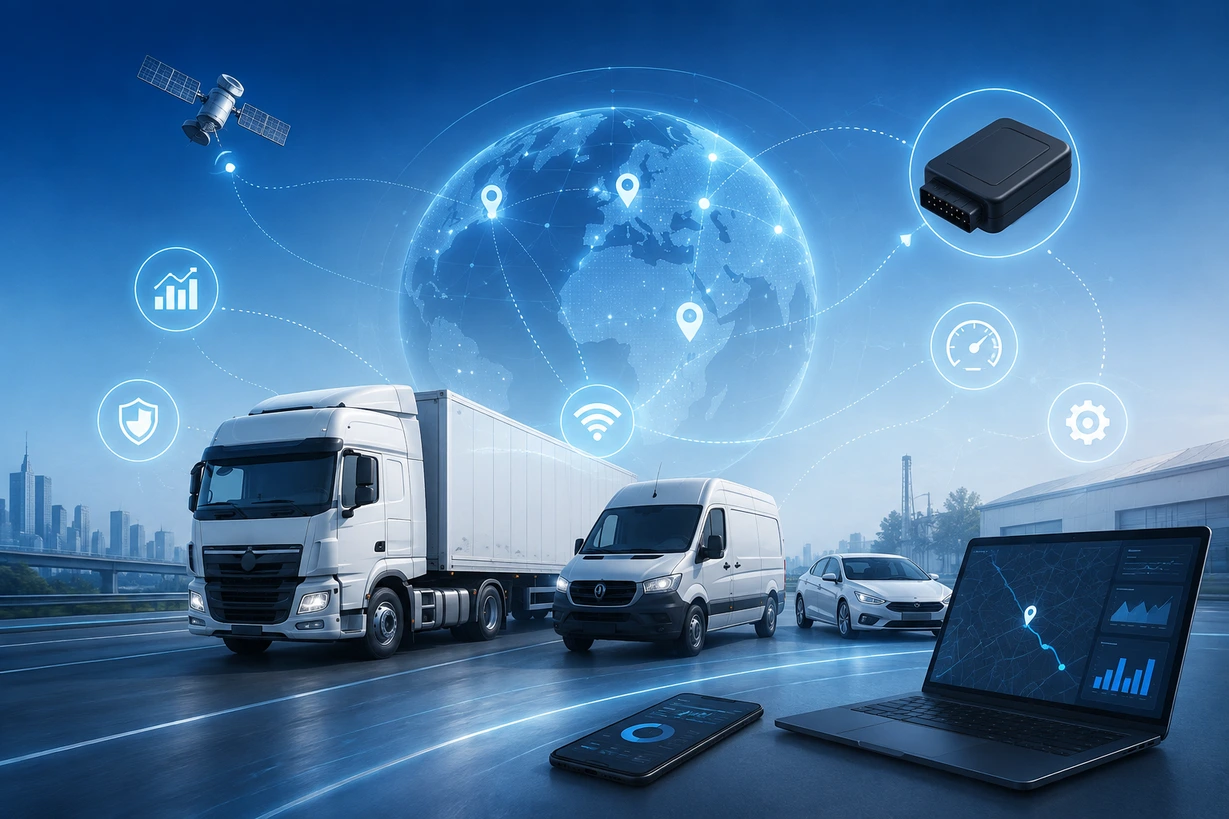
Fleet Telematics Guides in 2026: Everything Businesses Need to Know
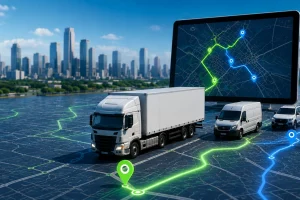
Fleet telematics has transformed from a simple GPS tracking solution into an intelligent ecosystem that connects vehicles, drivers, dispatchers, AI cameras, sensors and business operations in real time.
In 2026, organisations operating commercial fleets are no longer asking whether they need telematics—they’re asking how to maximise the value of their telematics investment.
Whether you manage 10 delivery vans or thousands of trucks across multiple countries, modern fleet telematics provides the visibility needed to reduce operating costs, improve driver safety and increase fleet productivity.
In this comprehensive guide, we’ll explain:
• What fleet telematics is
• How telematics works
• Key features of modern telematics systems
• Benefits for businesses
• Industries using telematics
• AI and predictive analytics
• Future trends
• How to choose the right telematics provider
What is Fleet Telematics?
Fleet telematics is the integration of telecommunications, GPS technology, onboard vehicle diagnostics, IoT sensors and cloud software to monitor, analyse and optimise commercial fleet operations.
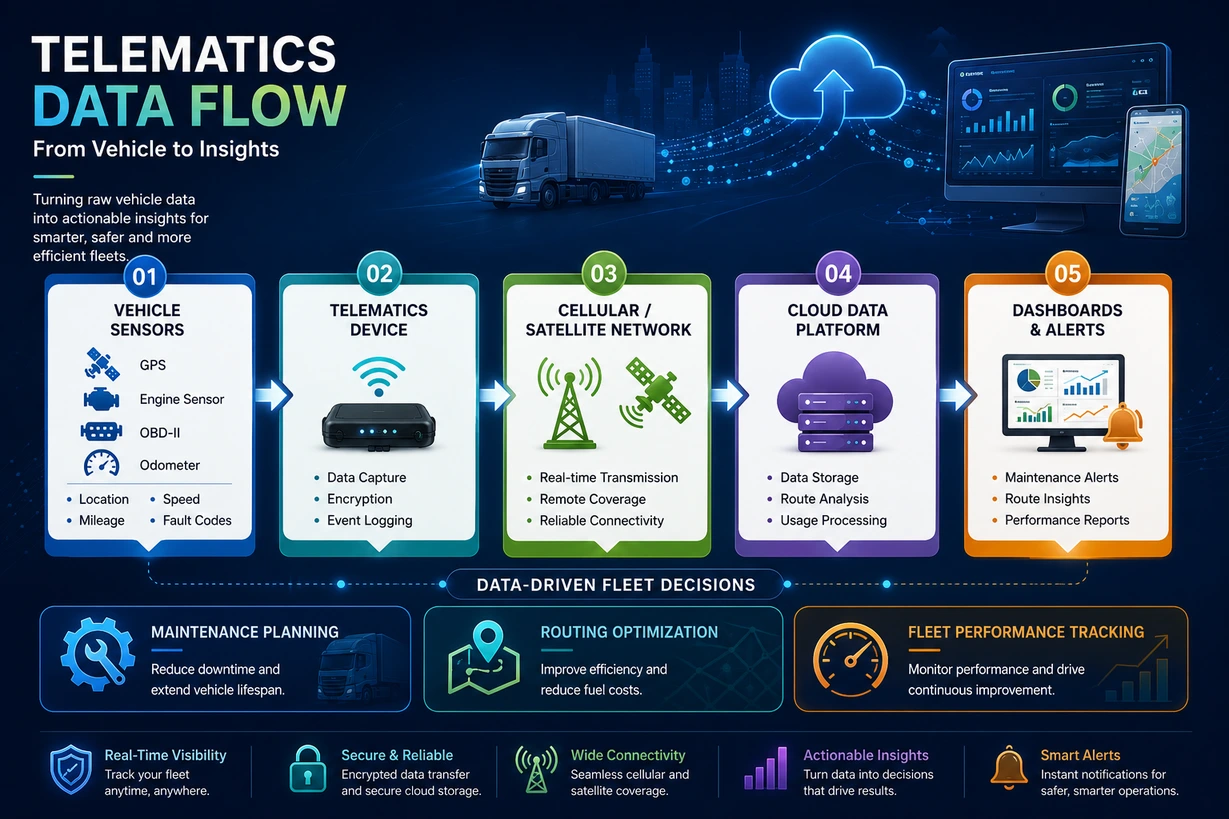
A fleet telematics system collects data from vehicles and sends it securely to a cloud platform where fleet managers can monitor:
• Vehicle location
• Driver behaviour
• Fuel consumption
• Engine health
• Maintenance alerts
• Route efficiency
• Vehicle utilisation
• Safety events
Instead of waiting until the end of the day for paper reports, businesses receive actionable insights in real time.
How Does Fleet Telematics Work?
A modern telematics ecosystem consists of several connected components.
1. GPS Tracking Device
Installed inside each vehicle, the GPS tracker continuously records:
• Real-time location
• Speed
• Direction
• Distance travelled
• Trip history
2. Vehicle Diagnostics
Through CAN Bus or OBD integration, telematics retrieves vehicle information such as:
• Engine RPM
• Coolant temperature
• Battery voltage
• Fuel level
• Engine fault codes
• Idle time
This allows maintenance teams to detect issues before costly breakdowns occur.
3. AI Dash Cameras
Modern fleets increasingly deploy AI-powered dashcams alongside GPS tracking.
These cameras detect:
• Driver fatigue
• Mobile phone usage
• Smoking
• Seatbelt violations
• Harsh braking
• Tailgating
• Forward collision risks
Video evidence also simplifies accident investigations and insurance claims.
4. Cloud Fleet Management Platform
All telematics data is transmitted securely to a cloud dashboard where managers can:
• Monitor live vehicles
• Review historical trips
• Receive alerts
• Analyse reports
• Manage drivers
• Schedule maintenance
• Track fuel usage
Key Features of Fleet Telematics Systems
Real-Time GPS Tracking
Know the precise location of every vehicle at any time.
Benefits include:
• Faster dispatching
• Improved customer service
• Reduced unauthorised vehicle usage
• Better fleet visibility
Route Optimisation
Fleet telematics analyses routes to identify:
• Congestion
• Delays
• Inefficient routes
• Excess mileage
Optimised routing reduces:
• Fuel costs
• Driver overtime
• Delivery delays
Driver Behaviour Monitoring
Driver behaviour significantly impacts fuel consumption, accidents and maintenance costs.
Fleet telematics tracks:
• Harsh acceleration
• Harsh braking
• Rapid cornering
• Speeding
• Excessive idling
• Driver fatigue (with AI cameras)
Managers can coach drivers using objective performance data.
Fuel Monitoring
Fuel is often one of the largest operating expenses.
Telematics helps reduce fuel consumption by monitoring:
• Fuel usage
• Fuel theft
• Idling
• Engine efficiency
• Refuelling events
Many organisations achieve fuel savings of 10–25% through better driving habits and route optimisation.
Predictive Maintenance
Unexpected vehicle breakdowns are expensive.
Fleet telematics enables preventive maintenance through:
• Engine diagnostics
• Mileage reminders
• Fault code alerts
• Maintenance scheduling
• Service history
This extends vehicle lifespan while reducing downtime.
Geofencing
Virtual boundaries can trigger automatic alerts when vehicles:
• Enter customer sites
• Leave depots
• Travel outside authorised zones
• Visit restricted areas
This improves security and automates arrival/departure notifications.
Asset Tracking
Telematics also supports:
• Trailers
• Containers
• Construction equipment
• Generators
• Heavy machinery
Businesses gain visibility across both powered and non-powered assets.
Benefits of Fleet Telematics
Lower Operating Costs
Fleet telematics reduces:
• Fuel waste
• Vehicle misuse
• Overtime
• Manual paperwork
• Maintenance costs
The result is lower total cost of ownership.
Improved Driver Safety
AI-powered monitoring encourages safer driving habits by identifying risky behaviours before they lead to accidents.
Safer drivers typically result in:
• Fewer collisions
• Lower insurance claims
• Reduced repair costs
• Better compliance
Higher Productivity
Dispatchers spend less time making phone calls because they can instantly see:
• Vehicle locations
• Driver availability
• Job progress
• Estimated arrival times
Better Customer Service
Customers receive:
• Accurate ETAs
• Faster deliveries
• Improved communication
• Greater transparency
Sustainability
Fleet telematics contributes to ESG initiatives by reducing:
• Carbon emissions
• Fuel consumption
• Vehicle idling
• Unnecessary mileage
Many organisations now use telematics data for carbon emissions reporting.
Industries That Benefit from Fleet Telematics
Fleet telematics supports organisations across many industries.
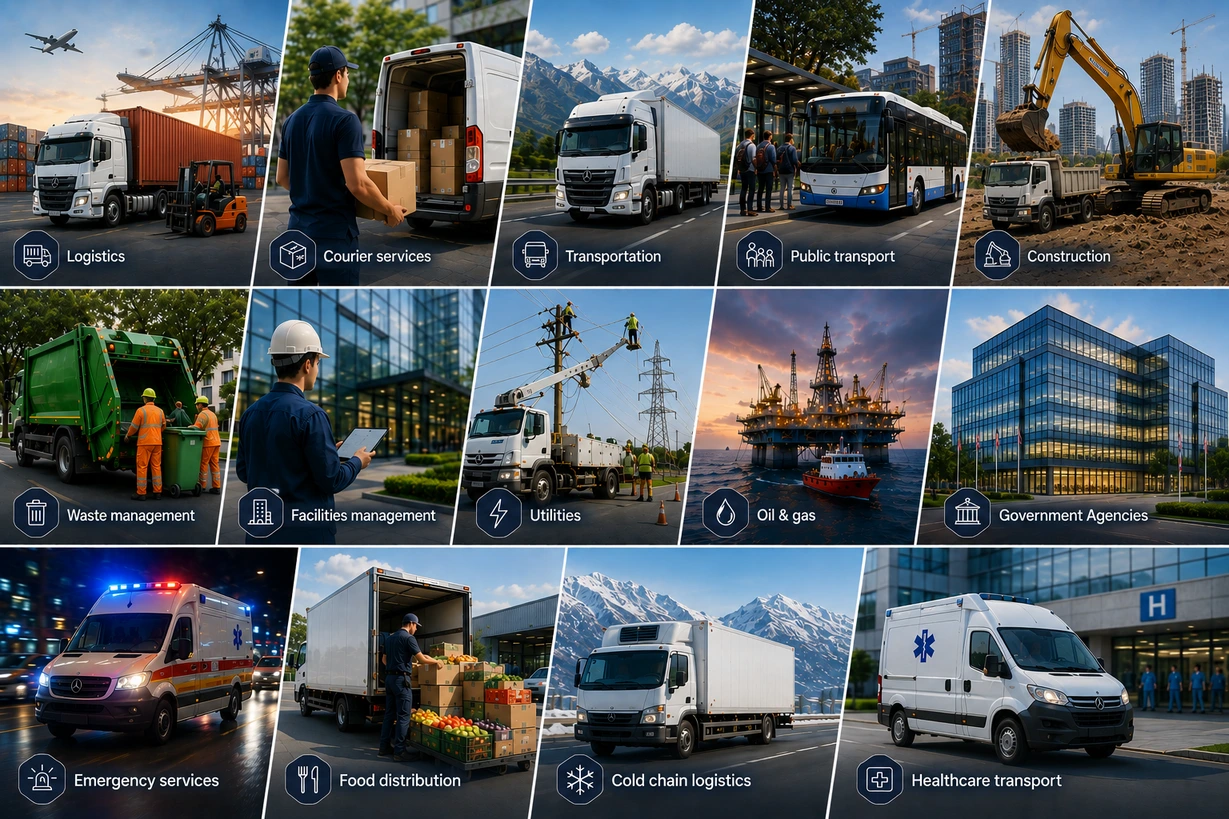
Common industries include:
• Logistics
• Courier services
• Transportation
• Public transport
• Construction
• Waste management
• Facilities management
• Utilities
• Oil & gas
• Government agencies
• Emergency services
• Food distribution
• Cold chain logistics
• Healthcare transport
AI is Transforming Fleet Telematics
Artificial Intelligence has become one of the biggest advancements in fleet management.
AI systems can now automatically detect:
• Unsafe driving
• Driver distraction
• Fatigue
• Smoking
• Seatbelt violations
• Collision risks
• Near misses
Beyond safety, AI can predict:
• Vehicle failures
• Maintenance needs
• Fuel consumption trends
• Fleet demand
• Route optimisation opportunities
Businesses can now make proactive decisions instead of reacting after incidents occur.
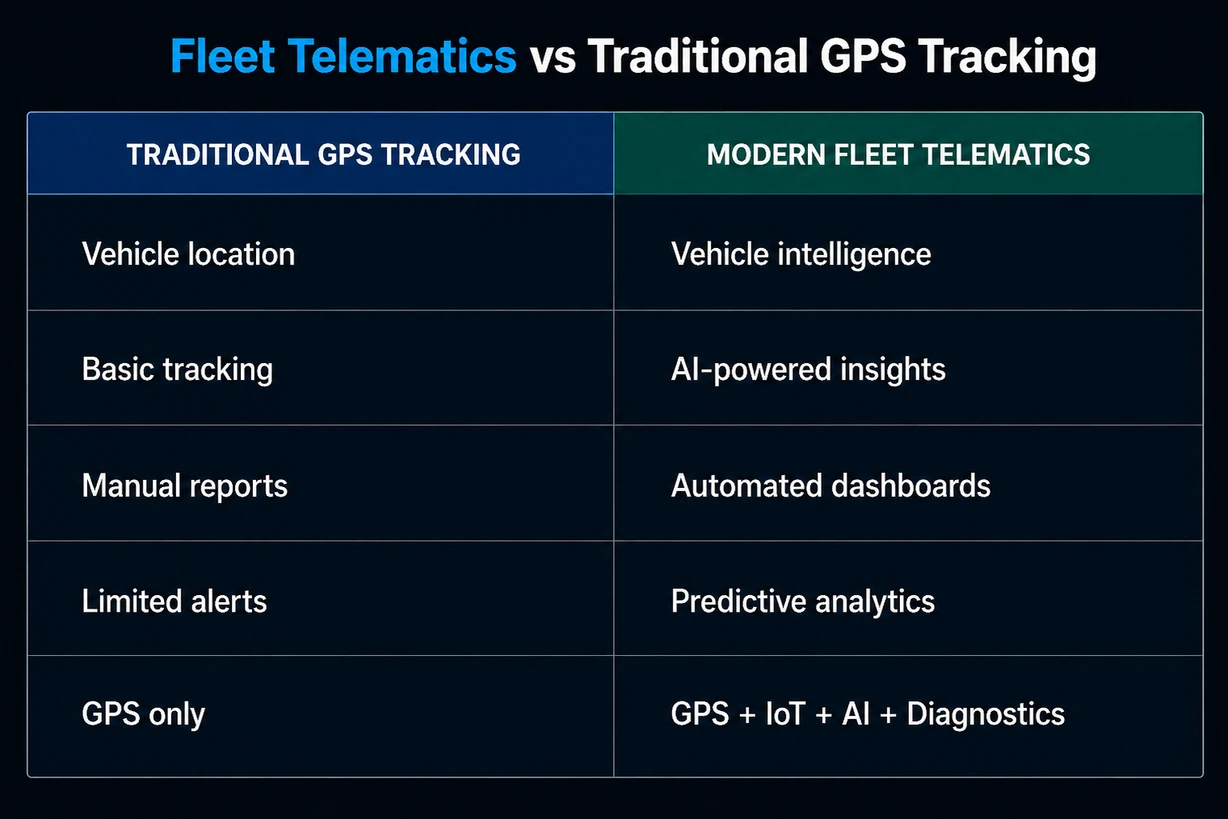
Fleet Telematics vs Traditional GPS Tracking
How to Choose the Right Fleet Telematics Solution
When evaluating telematics providers, consider:
Scalability
Can the system support future fleet expansion?
AI Capabilities
Does it include AI dashcams and driver safety monitoring?
Reporting
Can you customise dashboards and KPIs?
Mobile Access
Can managers monitor fleets from anywhere?
Integration
Does it integrate with:
• ERP
• HR
• Dispatch systems
• Maintenance software
• Fuel cards
• IoT sensors
Local Support
Choose a provider that offers implementation, training and responsive technical support.
Why Businesses in Singapore Are Investing in Fleet Telematics
Singapore’s transport, logistics, construction and service sectors face increasing pressure to improve productivity while meeting stricter safety and sustainability expectations.
Fleet telematics helps businesses:
• Improve operational visibility
• Reduce fuel costs
• Strengthen driver accountability
• Optimise dispatching
• Digitise fleet operations
• Support ESG reporting
• Increase asset utilisation
As fleets become increasingly connected, telematics is becoming the digital backbone of fleet operations.
Why Choose V3 Smart Technologies?
At V3 Smart Technologies, we deliver intelligent fleet telematics solutions designed for organisations that want complete visibility over their fleet operations.
Our platform combines:
• Real-time GPS fleet tracking
• AI-powered dashcams (ADAS & DMS)
• Fuel monitoring
• Predictive maintenance
• Route optimisation
• Driver behaviour analytics
• Carbon emissions reporting
• IoT sensor integration
• Custom dashboards
• Mobile fleet management
Whether you operate passenger vehicles, trucks, heavy equipment or mixed fleets, our scalable platform helps you improve safety, efficiency and profitability.
Frequently Asked Questions
What is fleet telematics?
Fleet telematics combines GPS tracking, vehicle diagnostics, IoT sensors and cloud software to monitor and optimise commercial fleet operations.
What is the difference between GPS tracking and fleet telematics?
GPS tracking only shows vehicle location. Fleet telematics provides comprehensive operational insights including driver behaviour, maintenance, fuel usage, AI safety monitoring and business analytics.
Can fleet telematics reduce fuel costs?
Yes. By monitoring idling, speeding, inefficient routes and driver behaviour, many businesses reduce fuel consumption by 10–25%.
Is fleet telematics suitable for small businesses?
Absolutely. Modern cloud-based solutions scale from a handful of vehicles to enterprise fleets with thousands of assets.
Final Thoughts
Fleet telematics has evolved into a mission-critical technology for businesses seeking safer operations, lower costs and greater efficiency. By combining GPS tracking, AI, IoT and predictive analytics, organisations can transform raw vehicle data into actionable business intelligence.
As regulations tighten and customer expectations continue to rise, investing in a modern fleet telematics platform is no longer a competitive advantage—it is a strategic necessity.