
Route Optimisation: How Fleet Management Systems Reduce Costs and Improve Fleet Efficiency in 2026
August 13, 2026
For businesses operating commercial vehicles, inefficient routes can quickly translate into higher fuel costs, longer delivery times, vehicle wear and tear, and lower productivity. In 2026, businesses are increasingly using Fleet Management Systems (FMS) and GPS telematics to optimise routes, improve fleet utilisation, and make better dispatching decisions.
What Is Route Optimisation?
Route optimisation is the process of determining the most efficient route for vehicles based on factors such as distance, traffic conditions, delivery locations, vehicle availability, and operational requirements.
Traditional route planning often relies on spreadsheets, driver experience, or static maps. A modern Fleet Management System can analyse multiple variables simultaneously and recommend more efficient routes.
By combining GPS fleet tracking, real-time traffic information, vehicle data, and fleet analytics, businesses can continuously improve how their vehicles are dispatched and operated.
How Does Route Optimisation Work?
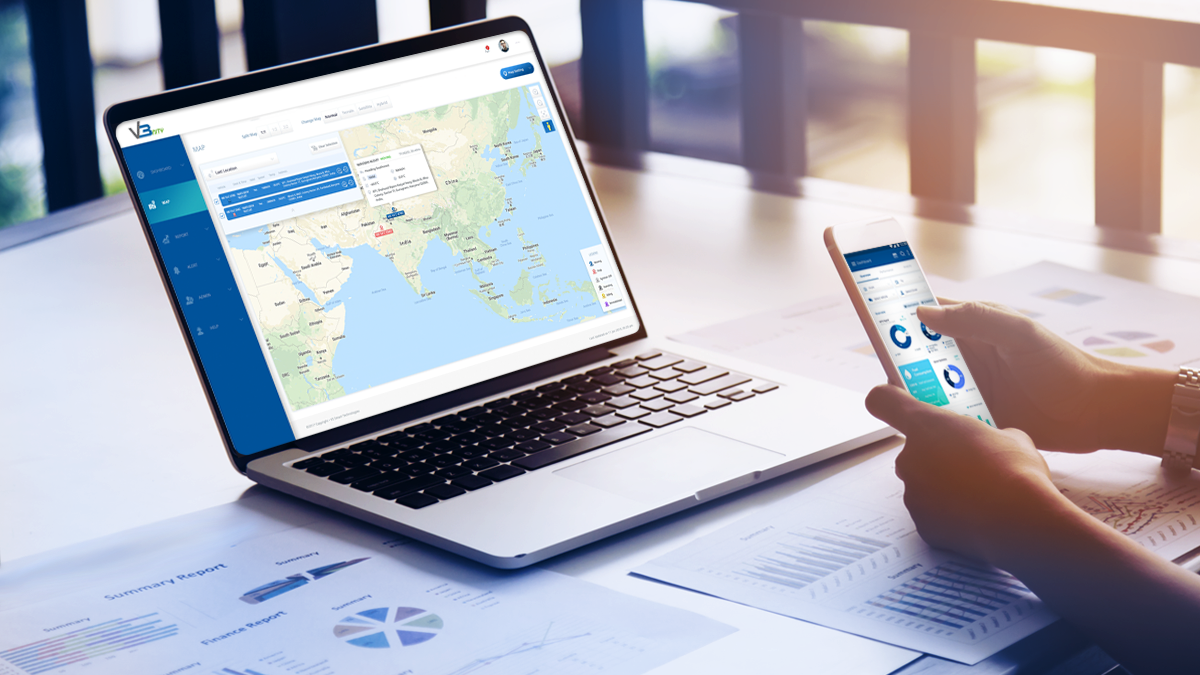
A Fleet Management System collects real-time information from vehicles and drivers. This data can include GPS location, vehicle status, historical travel patterns, and estimated arrival times.
Fleet managers can then use the system to:
• Identify the nearest available vehicle
• Plan multiple stops efficiently
• Reduce unnecessary mileage
• Monitor vehicle locations in real time
• Track estimated arrival times
• Recalculate routes when circumstances change
• Analyse completed journeys
For companies managing dozens or hundreds of vehicles, automated route optimisation can significantly reduce the time required for daily dispatch planning.
Benefits of Route Optimisation for Fleet Management
1. Reduce Fuel Consumption
Unnecessary mileage and inefficient driving routes increase fuel consumption. Optimised routes help vehicles travel fewer kilometres, potentially reducing fuel expenditure across the entire fleet.
2. Improve Vehicle Utilisation
A Fleet Management System provides visibility of vehicle locations and availability. Dispatchers can assign jobs to the most suitable nearby vehicle instead of sending another vehicle unnecessarily.
3. Increase Driver Productivity
Efficient routes allow drivers to complete more jobs within their working hours. This is particularly valuable for logistics, delivery, field service, engineering, and maintenance companies.
4. Improve Customer Service
Accurate route planning helps businesses provide more reliable estimated arrival times. Customers can receive better visibility of deliveries and service appointments.
5. Reduce Vehicle Wear and Tear
Lower mileage means less unnecessary vehicle usage. Over time, this can contribute to lower maintenance requirements and longer vehicle operating life.
Route Optimisation and GPS Fleet Tracking
Route optimisation works best when combined with real-time GPS fleet tracking. GPS tracking allows fleet managers to see where vehicles are currently located, while fleet management software can use this information to support smarter dispatch decisions. For example, if an urgent service request is received, the fleet manager can identify the closest available vehicle and assign the job accordingly. This combination of GPS tracking, route optimisation and fleet analytics gives businesses greater operational visibility.
Why Route Optimisation Matters in 2026
Fleet operators are facing increasing pressure to control operating costs while maintaining fast and reliable service. Fuel costs, labour costs, traffic congestion, customer expectations, and sustainability targets all make efficient route planning increasingly important. A modern Fleet Management System transforms route planning from a manual process into a data-driven operation. Instead of asking, “Which route should this vehicle take?”, fleet managers can use real-time data to determine which vehicle, route, and schedule are likely to deliver the best operational outcome.
How to Choose a Fleet Management System for Route Optimisation
When evaluating fleet management software, businesses should look for:
• Real-time GPS vehicle tracking
• Automated route planning
• Multi-stop route optimisation
• Live vehicle visibility
• Geofencing
• Driver monitoring
• Trip history and playback
• ETA monitoring
• Fleet utilisation analytics
• Mobile application
• Customisable reports
• API and system integration
The best Fleet Management System should not simply show where vehicles are. It should turn vehicle data into actionable insights that improve fleet efficiency.
Conclusion
Route optimisation is an important component of modern Fleet Management Systems. By combining GPS tracking, telematics, fleet analytics and intelligent route planning, businesses can reduce unnecessary mileage, improve vehicle utilisation, lower fuel consumption and deliver better customer service.
For organisations managing commercial fleets in Singapore and across the region, investing in a Fleet Management System with route optimisation capabilities can provide greater visibility, control and efficiency in an increasingly competitive operating environment.