
Fuel Monitoring in Fleet Management System: The Complete 2026 Guide to Reducing Fuel Costs and Improving Fleet Efficiency
July 27, 2026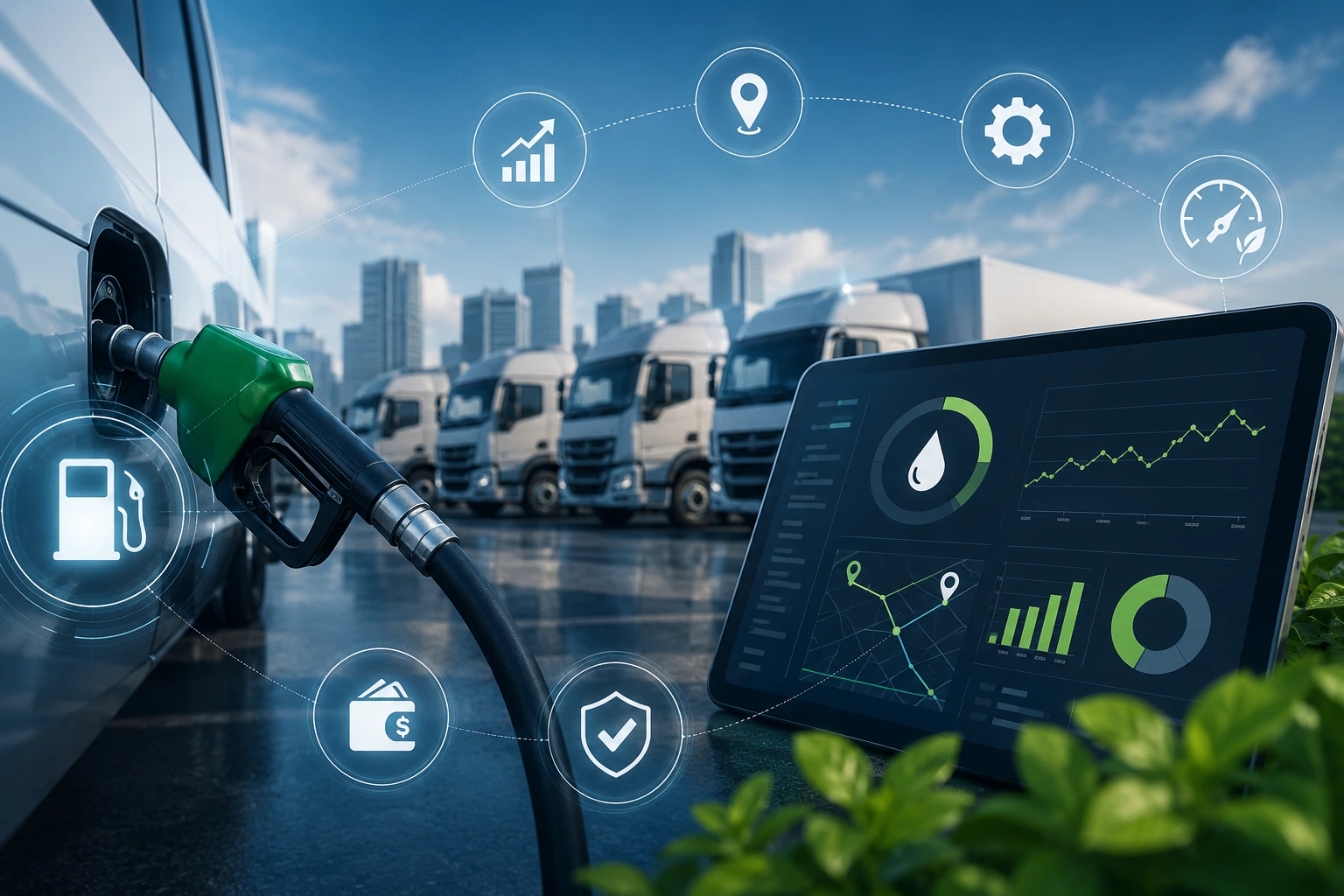
What is Fuel Monitoring?
Fuel monitoring is the process of continuously measuring and analysing how fuel is consumed across an entire fleet.
Instead of simply recording how much fuel was purchased, today’s Fleet Management System analyses:
• Fuel consumption
• Fuel level changes
• Engine idling
• Distance travelled
• Driver behaviour
• Vehicle speed
• Route efficiency
• Engine operating hours
This provides complete visibility into where every litre of fuel goes.
Why Fuel Monitoring is Important
Fuel costs continue to fluctuate, making operational budgeting increasingly difficult.
Without proper monitoring, businesses often face:
• Excessive idling
• Aggressive driving
• Fuel theft
• Fuel card abuse
• Inefficient routes
• Unauthorised vehicle usage
• Poor maintenance causing excessive fuel consumption
Many companies are surprised to discover that these issues can increase fuel expenses by 15–30% annually.
How a Fleet Management System Monitors Fuel
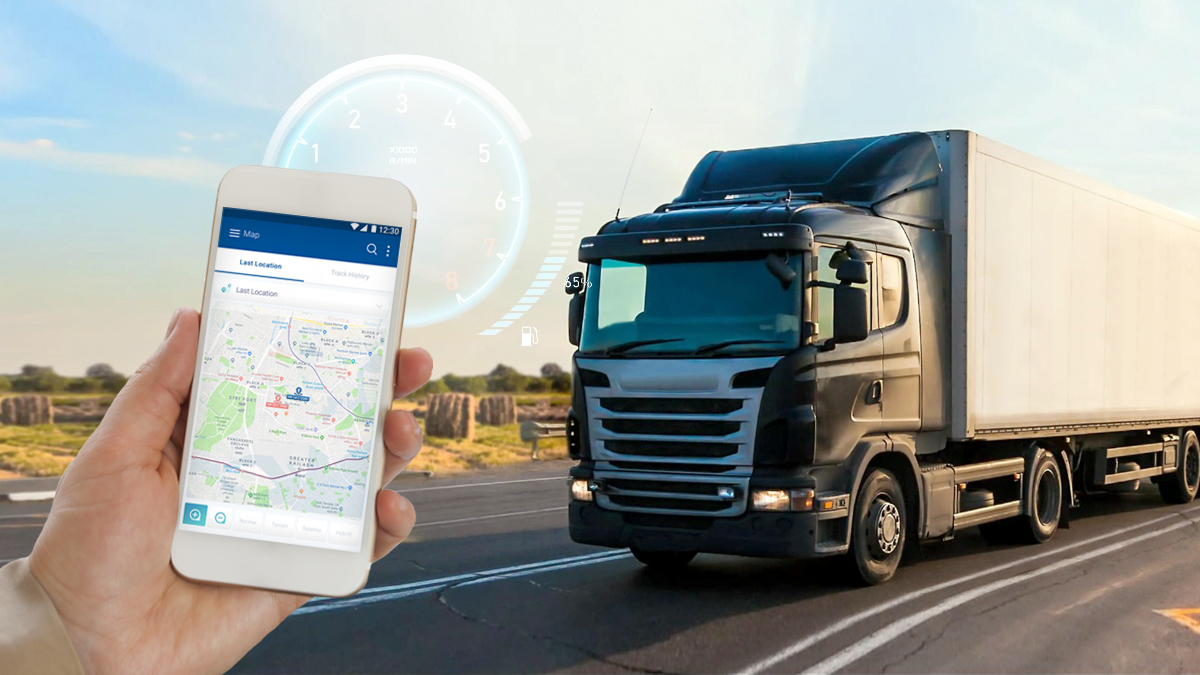
A modern Fleet Management System combines GPS tracking, vehicle telematics and optional fuel sensors to monitor fuel usage in real time.
1. GPS Vehicle Tracking
The system knows exactly:
• Where the vehicle is
• Distance travelled
• Route taken
• Stops made
• Trip duration
This allows fuel usage to be correlated with actual operations.
2. Engine Data
Through vehicle telematics, the system records:
• Engine hours
• RPM
• Ignition status
• Idle time
• Speed
• Harsh acceleration
• Harsh braking
Driving behaviour has a direct impact on fuel efficiency.
3. Fuel Level Sensors
For trucks, buses and heavy equipment, fuel level sensors provide highly accurate measurements of:
• Fuel remaining
• Refuelling events
• Fuel draining
• Fuel theft
• Sudden fuel loss
Fleet managers receive immediate alerts whenever abnormal fuel activity is detected.
Key Features of Fuel Monitoring
Real-Time Fuel Dashboard
Monitor:
• Current fuel level
• Fuel consumption
• Remaining fuel
• Estimated driving range
Everything is displayed on a single dashboard.
Fuel Consumption Reports
Generate reports showing:
• Fuel used per vehicle
• Fuel used per driver
• Fuel used by department
• Fuel cost trends
• Monthly fuel comparison
This helps identify inefficient vehicles.
Idle Time Monitoring
Engine idling is one of the biggest causes of unnecessary fuel wastage.
The Fleet Management System records:
• Idle duration
• Number of idle events
• Location of idling
• Driver responsible
Managers can then coach drivers to reduce unnecessary engine idling.
Fuel Theft Detection
Fuel theft remains a common challenge for logistics and construction companies.
Fuel monitoring can detect:
• Sudden fuel drops
• Fuel drained while parked
• Fuel removed outside operating hours
• Suspicious refuelling activity
Instant alerts allow companies to investigate immediately.
Driver Behaviour Analysis
Aggressive driving consumes significantly more fuel.
The system monitors:
• Harsh acceleration
• Sudden braking
• Overspeeding
• Rapid cornering
• Excessive engine RPM
Managers receive driver scorecards to encourage safer and more economical driving.
Route Optimisation
The shortest route isn’t always the fastest.
Fleet Management Systems analyse:
• Traffic conditions
• Route history
• Delivery sequence
• Distance travelled
Better routing means lower fuel consumption and higher productivity.
Benefits of Fuel Monitoring
Reduce Fuel Costs
By eliminating unnecessary idling, speeding and inefficient routing, many businesses achieve noticeable reductions in fuel expenses.
Increase Fleet Productivity
Lower fuel consumption allows vehicles to complete more jobs before refuelling, improving overall operational efficiency.
Improve Driver Accountability
Drivers become more conscious of their driving habits when fuel usage is tracked transparently.
Prevent Fuel Theft
Real-time monitoring significantly reduces opportunities for fuel siphoning and unauthorised fuel usage.
Lower Carbon Emissions
Less fuel consumed means lower CO₂ emissions.
Fuel monitoring supports ESG initiatives while helping organisations achieve sustainability targets.
Improve Vehicle Maintenance
Poorly maintained vehicles consume more fuel.
Fuel reports often reveal mechanical issues such as:
• Underinflated tyres
• Engine problems
• Injector issues
• Air filter blockage
Early maintenance reduces long-term operating costs.
Industries That Benefit from Fuel Monitoring
Fuel monitoring is widely adopted across many industries:
• Logistics & Transportation
• Construction
• Waste Management
• Facilities Management
• Public Transport
• Food Distribution
• Cold Chain Logistics
• Oil & Gas
• Marine Support Services
• Government Fleets
• Utility Companies
• Security Services
Any organisation operating multiple vehicles can benefit from better fuel visibility.
Why Choose V3 Smart Technologies?
V3 Smart Technologies provides an advanced Fleet Management System designed specifically for businesses across Singapore and Southeast Asia.
Our fuel monitoring solution includes:
• Real-time GPS vehicle tracking
• Fuel consumption analytics
• Fuel theft detection
• Engine idle monitoring
• Driver behaviour monitoring
• Route optimisation
• Vehicle maintenance reminders
• Carbon emission reporting
• Mobile app access
• Cloud-based fleet dashboard
• Customisable reports and alerts
Whether you operate passenger cars, delivery vans, trucks, buses, heavy equipment or mixed fleets, V3’s Fleet Management System provides the visibility needed to reduce costs and improve operational efficiency.
Frequently Asked Questions (FAQ)
What is fuel monitoring in a Fleet Management System?
Fuel monitoring tracks fuel consumption, fuel levels, engine activity and driving behaviour to help businesses reduce fuel costs and improve fleet efficiency.
Can a Fleet Management System detect fuel theft?
Yes. With compatible fuel sensors, the system can detect sudden fuel drops, suspicious refuelling events and fuel draining while the vehicle is stationary.
Does fuel monitoring require additional hardware?
Basic fuel monitoring can use vehicle telematics and GPS data. For higher accuracy and theft detection, dedicated fuel level sensors can be installed.
How much fuel can businesses save?
Savings vary depending on fleet operations, but many organisations reduce fuel consumption by improving driver behaviour, minimising idle time and optimising routes.
Is fuel monitoring suitable for small fleets?
Absolutely. Even fleets with fewer than 20 vehicles can benefit from improved visibility, lower fuel costs and better operational control.
Conclusion
Fuel is too valuable to manage using manual records alone. A modern Fleet Management System transforms fuel data into actionable insights, enabling businesses to reduce waste, improve driver performance and make smarter operational decisions.
With V3 Smart Technologies’ Fleet Management System, organisations gain real-time visibility into fuel usage, vehicle performance and fleet efficiency—all from a single intelligent platform.
If your goal is to reduce operating costs, increase productivity and build a more sustainable fleet, fuel monitoring should be an essential part of your fleet management strategy.