
The importance of utilising fleet technology and keeping it updated
October 5, 2021
Looking for a complete guide? Read our 2026 Comprehensive Guide to Fleet Management System
Managing a vehicle fleet can be challenging without the right technology. While some businesses assume that smaller fleets are easier to oversee, fleet operators of all sizes often encounter similar operational challenges, including vehicle tracking, driver management, maintenance scheduling, and fuel monitoring. Investing in modern fleet technology enables businesses to manage these responsibilities more efficiently while improving overall operational performance.
The adoption of fleet technology continues to grow as businesses recognise its ability to improve productivity, reduce costs, and support data-driven decision-making. As the fleet management industry becomes increasingly competitive, organisations that embrace digital solutions are better positioned to optimise operations and remain competitive in the long term.
If your fleet technology has not been reviewed or upgraded in recent years, it may be time to evaluate whether your current systems still meet your operational needs. Modern fleet management solutions provide significantly greater visibility and automation than manual processes, helping businesses save time while improving efficiency.
1. Improve Operational Efficiency
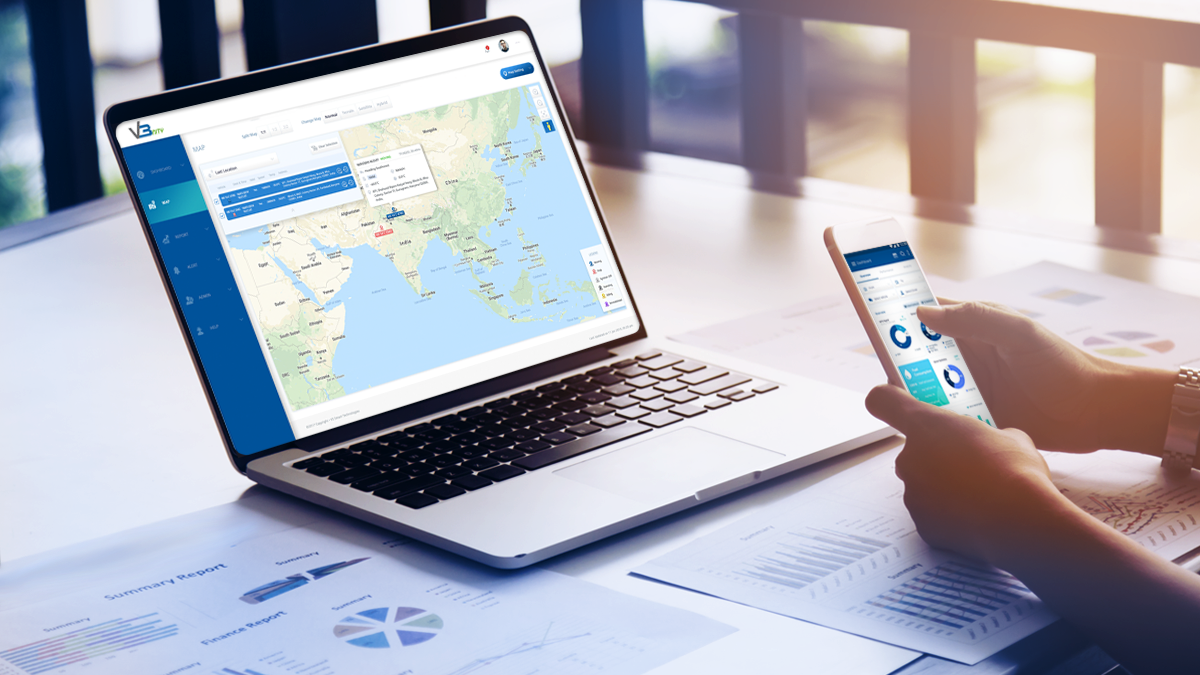
Fleet management software centralises vehicle information and simplifies daily fleet operations. From scheduling maintenance and planning routes to monitoring vehicle activity, businesses can streamline workflows and improve productivity through a single platform.
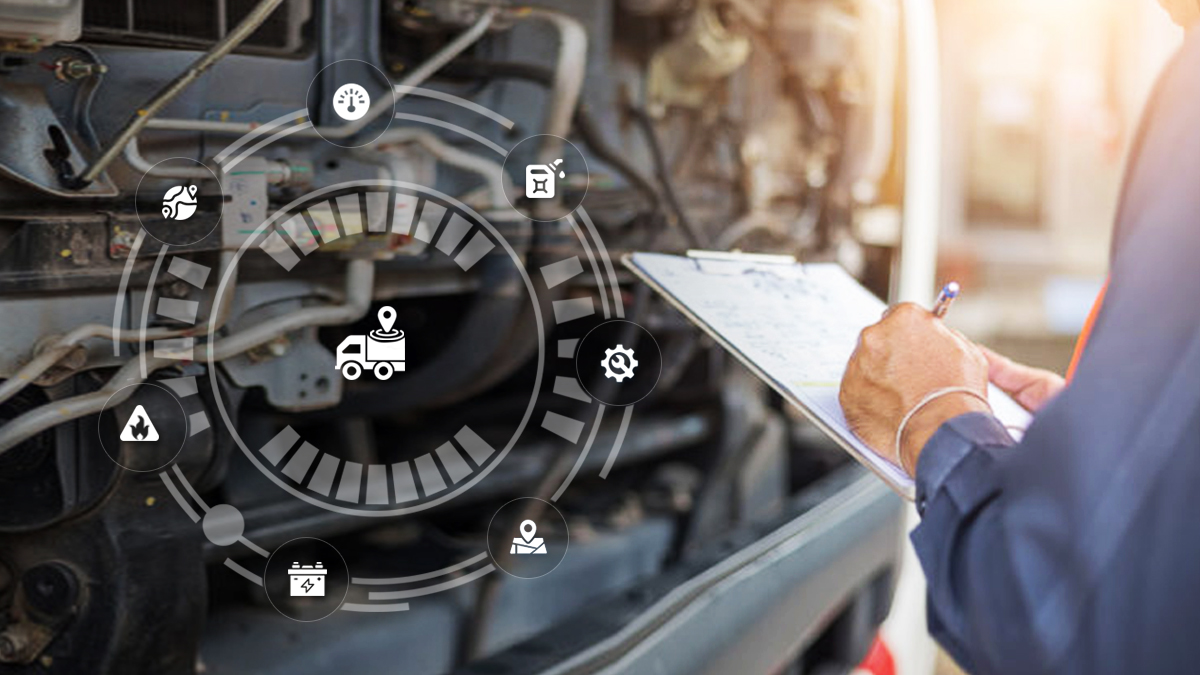
Modern fleet technology also provides real-time vehicle tracking, allowing managers to view vehicle locations, monitor deliveries, and verify fleet activity throughout the day. Additional sensors can capture valuable operational data, including vehicle speed, estimated arrival times, cargo temperature, and other performance indicators, enabling businesses to make faster and more informed decisions.
2. Enhance Driver Safety
Safety remains one of the highest priorities for fleet operators. Advanced fleet management systems continuously monitor driver behaviour and provide valuable insights into driving performance.
Managers can identify behaviours such as speeding, harsh braking, excessive idling, and rapid acceleration through automated alerts. These insights help businesses provide targeted driver coaching, improve safety standards, reduce accident risks, and encourage safer driving habits through driver performance scorecards.
By proactively managing driver behaviour, organisations can improve road safety while protecting both employees and business assets.
3. Strengthen Compliance and Increase Fleet Visibility
Regulatory compliance is an important aspect of fleet management. Modern fleet technology helps businesses monitor vehicle operations and ensure drivers comply with company policies, road regulations, and operational schedules.
Fleet telematics systems provide real-time information on vehicle performance, maintenance requirements, and operational status. This visibility enables fleet managers to identify potential issues early, schedule maintenance proactively, and maintain reliable fleet operations while supporting compliance requirements.
4. Reduce the Risk of Vehicle Theft
Vehicle theft remains a concern for many fleet operators. GPS-enabled fleet management systems provide continuous location tracking, allowing businesses to monitor vehicle movements and receive alerts if vehicles leave designated geofenced areas.
Many solutions also include fuel monitoring capabilities that help identify unusual fuel consumption or possible fuel theft. By analysing fuel usage alongside trip history and driver activity, fleet managers can investigate irregularities and optimise routes to improve fuel efficiency.
5. Increase Operational Flexibility
One of the greatest advantages of modern fleet technology is its ability to improve communication between fleet managers and drivers.
When delivery schedules change, routes require adjustment, or urgent instructions need to be communicated, fleet managers can instantly send updates directly to drivers. This enables businesses to respond quickly to unexpected situations while reducing delays and improving customer service.
Fleet management systems are widely used across industries, including taxi services, logistics companies, and field service organisations, where real-time communication helps drivers stay informed about traffic conditions, schedule changes, and customer requests.
Digital communication also improves driver safety by reducing the need for manual phone calls while increasing efficiency through automated notifications and centralised fleet coordination.
Choosing the Right Fleet Technology
Before investing in new fleet technology, businesses should first evaluate their operational objectives. Understanding whether the priority is improving vehicle visibility, enhancing driver safety, reducing fuel costs, strengthening maintenance management, or increasing operational insights will help determine the most suitable solution.
Many organisations now integrate technologies such as Artificial Intelligence (AI), GPS tracking, telematics, and advanced analytics into their fleet operations. These tools provide valuable insights into vehicle performance, driver behaviour, fuel efficiency, and maintenance planning while supporting better decision-making.
Modern fleet management platforms are also designed to support a wide range of vehicle types, including passenger vehicles, heavy commercial trucks, refrigerated transport, and specialised fleet assets, making them suitable for businesses across multiple industries.
Conclusion
Keeping fleet technology up to date is essential for businesses seeking to improve operational efficiency, enhance driver safety, reduce operating costs, and remain competitive in an increasingly digital transportation industry.
By adopting a comprehensive fleet management solution, organisations can gain real-time visibility into fleet operations, automate routine processes, optimise resource utilisation, and make informed decisions based on accurate operational data.
V3 Smart Technologies offers an intelligent Fleet Management Solution that combines GPS tracking, telematics, fuel monitoring, maintenance management, and powerful reporting capabilities into a single platform. Contact us today to discover how our solution can be customised to support your fleet’s unique operational requirements.