
How Fleet Management Solutions can Reduce your Fuel Costs
August 31, 2021
Looking for a complete guide? Read our 2026 Comprehensive Guide to Fleet Management System
Fuel is one of the largest operating expenses for businesses that manage vehicle fleets, and fluctuating fuel prices can significantly impact profitability. Industry studies estimate that fuel accounts for a substantial portion of overall fleet operating costs, making fuel efficiency a top priority for fleet operators. While fuel prices are beyond a company’s control, businesses can minimise fuel consumption through better fleet visibility and operational planning.
Fleet management solutions equipped with GPS tracking and telematics enable businesses to monitor vehicle activity, analyse fuel usage, and optimise fleet performance. By leveraging real-time data, organisations can reduce unnecessary fuel consumption, improve operational efficiency, and achieve a stronger return on investment (ROI).
What Is a Fleet Management Solution?
A fleet management solution is a centralised platform that collects, analyses, and presents vehicle and driver data to help businesses manage their fleet more effectively. By combining GPS vehicle tracking, telematics, maintenance monitoring, driver behaviour analysis, and reporting tools, fleet managers gain complete visibility into daily operations and can make informed decisions based on real-time insights.
How Fleet Management Solutions Help Reduce Fuel Costs
1. Improve Fuel Efficiency Through Preventive Maintenance
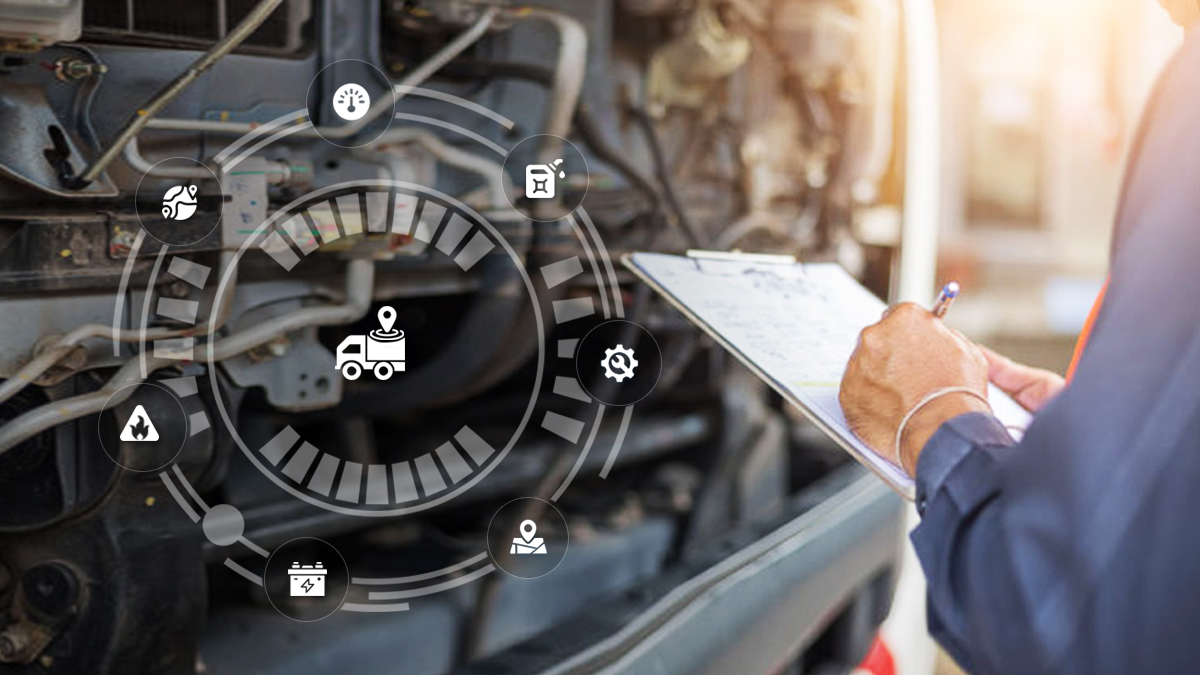
Vehicle condition has a direct impact on fuel consumption. Businesses that rely on manual maintenance tracking may experience delayed servicing, resulting in reduced vehicle performance and higher fuel usage.
Fleet management software helps monitor vehicle health, maintenance schedules, engine diagnostics, and service intervals to ensure vehicles operate at peak efficiency. Preventive maintenance also reduces the likelihood of costly breakdowns and extends vehicle lifespan while helping maintain optimal fuel economy.
2. Minimise Excessive Engine Idling
Although short periods of idling may appear insignificant, unnecessary engine idling can accumulate into considerable fuel waste over time.
Fleet management systems continuously monitor engine idle time and can generate automatic alerts when vehicles remain idle for extended periods. Managers can also review driver behaviour reports to identify recurring idling patterns, provide coaching where necessary, and encourage fuel-efficient driving habits that reduce unnecessary fuel consumption.
3. Optimise Route Planning
Choosing the most efficient route plays an important role in reducing fuel usage and improving service delivery. Without real-time traffic visibility and route optimisation tools, drivers may encounter congestion, longer travel distances, and unnecessary delays.
GPS-enabled fleet management software uses intelligent routing algorithms to recommend efficient travel routes based on traffic conditions, travel distance, and historical trip data. Managers can also compare previous journeys to identify opportunities for further fuel savings and improved route planning.
4. Dispatch the Nearest Available Vehicle
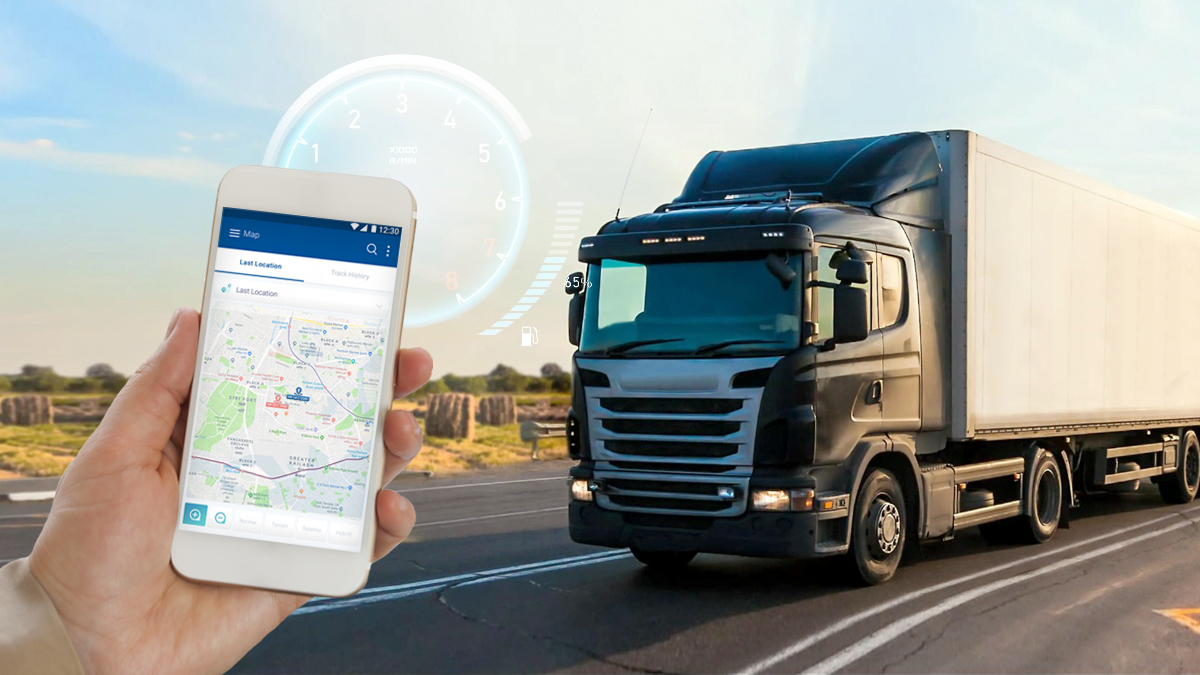
Real-time GPS tracking allows fleet managers to identify the closest available vehicle for each job or customer request. Assigning nearby drivers reduces unnecessary travel distance, shortens response times, and lowers fuel consumption.
For example, logistics providers can immediately locate the nearest driver for urgent pickups instead of relying on phone calls or manual coordination. Faster dispatch decisions improve operational efficiency while reducing fuel costs across the fleet.
5. Monitor Driver Behaviour
Driver behaviour has a significant influence on fuel efficiency. Practices such as speeding, harsh braking, rapid acceleration, and aggressive driving increase fuel consumption while accelerating vehicle wear.
Fleet management software continuously monitors driving behaviour and provides detailed reports on driver performance. Managers can establish speed thresholds, receive alerts for unsafe driving, and identify opportunities for driver coaching. Encouraging smoother driving habits helps improve fuel economy, reduce maintenance costs, and enhance overall road safety.
Conclusion
Improving fuel efficiency requires more than simply monitoring fuel usage. It involves combining vehicle maintenance, route optimisation, driver performance monitoring, and real-time fleet visibility to create a more efficient operation.
Fleet management solutions provide businesses with the tools needed to reduce fuel costs, improve vehicle utilisation, increase driver safety, and optimise day-to-day fleet operations. By replacing manual processes with data-driven decision-making, organisations can improve productivity while reducing operating expenses.
As fuel prices continue to fluctuate, investing in a comprehensive fleet management solution is an effective way to build a more resilient, cost-efficient, and sustainable fleet. V3 Smart Technologies offers intelligent fleet management solutions that integrate GPS tracking, telematics, fuel monitoring, maintenance management, and advanced analytics to help businesses maximise fleet performance. Contact us today to learn how our solutions can help reduce fuel costs and improve operational efficiency.