
2026 Comprehensive Guide to Fleet Management Systems
July 15, 2026
In today’s fast-paced business environment, managing a fleet of vehicles efficiently is no longer optional—it is a competitive advantage. Whether you operate 10 vehicles or thousands, a fleet management system helps businesses improve productivity, reduce operating costs, enhance driver safety, and gain complete visibility over their fleet in real time.
As digital transformation accelerates in 2026, GPS tracking, AI-powered analytics, and telematics have become essential components of modern fleet operations. This comprehensive guide explains everything you need to know about Fleet Management Systems and why organisations across Singapore are adopting them.
What is a Fleet Management System?
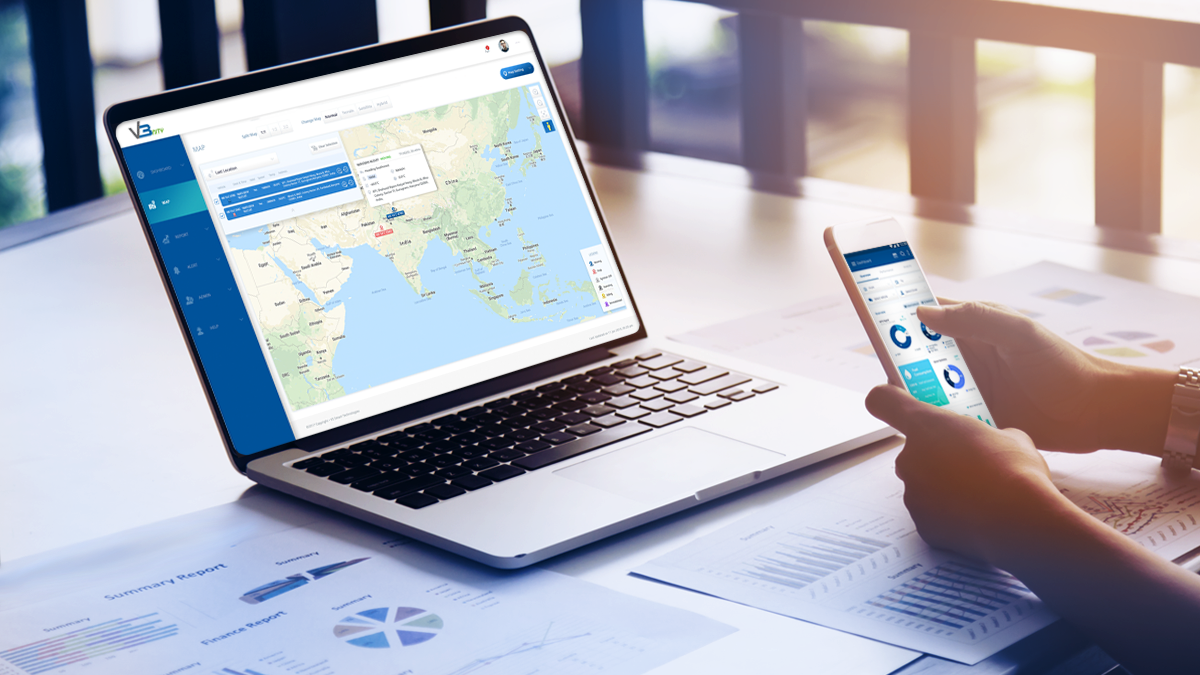
A Fleet Management System is a software platform that enables businesses to monitor, manage, and optimise their fleet of vehicles through GPS tracking, telematics, IoT sensors, and cloud-based analytics. Instead of relying on manual records or phone calls, an FMS provides fleet managers with real-time information such as:
- Live vehicle locations
- Driver behaviour monitoring
- Route optimisation
- Fuel consumption
- Vehicle maintenance schedules
- Trip history and playback
- Idling time analysis
- Geofencing alerts
- Vehicle utilisation reports
The goal of a Fleet Management System is to improve operational efficiency while reducing unnecessary costs and risks.
How Does a Fleet Management System Work?
A modern Fleet Management System combines several technologies into one integrated platform. These typically include:
- GPS Vehicle Tracker – captures the vehicle’s location every few seconds.
- Telematics Device – collects vehicle performance and driving data.
- Cloud Platform – stores and analyses data securely.
- Mobile App – allows managers to monitor vehicles anywhere.
- Dashboard & Reports – transform raw data into actionable insights.
The collected information is displayed in real time, allowing fleet managers to make faster and better operational decisions.
Key Features of a Fleet Management System
An advanced Fleet Management System in 2026 should include:
Real-Time GPS Tracking
Monitor every vehicle’s location instantly with accurate live updates.
Route Optimisation
Reduce travel time, fuel costs, and unnecessary mileage by selecting the most efficient routes.
Driver Behaviour Monitoring
Track harsh braking, rapid acceleration, speeding, excessive idling, and cornering to improve driving habits and road safety.
Vehicle Maintenance Management
Receive automatic reminders for servicing, inspections, road tax, insurance renewal, and preventive maintenance.
Fuel Management
Identify excessive fuel consumption, fuel theft, and inefficient driving patterns.
Geofencing
Create virtual boundaries and receive instant notifications whenever vehicles enter or leave designated areas.
Fleet Reports & Analytics
- Generate detailed reports covering:
- Mileage Driver performance
- Vehicle utilisation
- Idle time
- Fuel efficiency
- Maintenance history
Benefits of Using a Fleet Management System
Businesses implementing a Fleet Management System often experience measurable improvements.
Reduce Operating Costs
Better route planning, lower fuel consumption, reduced overtime, and preventive maintenance help decrease fleet operating expenses.
Improve Driver Safety
Driver scorecards encourage safer driving behaviour while reducing accident risks and insurance claims.
Increase Productivity
Dispatch jobs more efficiently by locating the nearest available vehicle.
Better Customer Service
Provide customers with accurate arrival times and respond quickly to delivery enquiries.
Prevent Vehicle Misuse
Monitor after-hours vehicle usage, unauthorised trips, and excessive idling.
Ensure Regulatory Compliance
Maintain digital records for inspections, servicing, and driver activity, making compliance easier.
Industries That Benefit from Fleet Management Systems
Almost every industry operating commercial vehicles can benefit from Fleet Management software. Common industries include:
- Logistics and transportation
- Construction
- Engineering services
- Food distribution
- Cold chain logistics
- Waste management
- Facility management
- Government agencies
- Public transport
- Healthcare
- Security companies
- Utility service providers
The Comprehensive Guide to Choose the Best Fleet Management System in 2026
Not all Fleet Management Systems offer the same capabilities. When selecting a solution, look for:
- Accurate real-time GPS tracking
- AI-powered fleet analytics
- User-friendly dashboard
- Mobile application
- Customisable reports
- Driver behaviour monitoring
- Maintenance scheduling
- Fuel monitoring
- Integration with ERP or HR systems
- Cloud-based infrastructure
- Local technical support
- Scalable deployment for growing fleets
Choosing the right system ensures long-term value and a faster return on investment.
Why Businesses Are Investing in Fleet Management Systems
With rising fuel prices, labour shortages, and increasing customer expectations, businesses can no longer rely on manual fleet management methods. A Fleet Management System empowers organisations to make data-driven decisions, improve operational visibility, reduce downtime, and maximise fleet utilisation. Companies using intelligent fleet management software often achieve:
- Lower operating costs
- Higher vehicle utilisation
- Increased driver accountability
- Better customer satisfaction
- Improved business profitability
As technologies such as AI, IoT, and predictive analytics continue to evolve, Fleet Management Systems will become even more indispensable for businesses seeking operational excellence.
Frequently Asked Questions
What is a Fleet Management System?
A Fleet Management System is a software solution that uses GPS tracking, telematics, and analytics to monitor, manage, and optimise commercial vehicle fleets in real time.
Who needs a Fleet Management System?
Any organisation that operates company vehicles—such as logistics providers, construction firms, engineering contractors, delivery companies, and government agencies—can benefit from an FMS.
What are the main benefits of a Fleet Management System?
The primary benefits include lower fuel costs, improved driver safety, real-time vehicle tracking, preventive maintenance, increased productivity, and better fleet visibility.